
Canada Prison Inmate Search connects families, legal professionals, and researchers to accurate, up-to-date information about incarcerated individuals across the country. The system operates through two main branches: federal institutions managed by the Correctional Service of Canada (CSC) for sentences of two years or more, and provincial or territorial facilities for shorter sentences. As of March 2024, CSC oversees 24 federal prisons housing approximately 13,000 inmates, while provincial systems manage an additional 7,000 individuals. This search process follows strict privacy laws and correctional policies designed to balance public safety with offender rights. Whether you’re looking for a loved one, verifying legal status, or conducting research, knowing which database to use and how to access it makes all the difference.
Federal Inmate Search Through Correctional Service Canada
The primary gateway for Canada Prison Inmate Search at the federal level is the official CSC Offender Search portal. This free, government-run service allows anyone to find basic information on individuals serving sentences of two years or more in federal institutions. Users can search by full name or offender identification number. Results show the inmate’s current facility, security level, sentence start date, and projected release date. The database updates weekly and includes all 24 federal prisons from British Columbia to Quebec. For example, someone incarcerated at Joyceville Institution in Ontario will appear in this system, but not if they are held in a provincial jail like Toronto’s Metro West Detention Centre.
Provincial and Territorial Inmate Locators
For sentences under two years, Canada Prison Inmate Search shifts to provincial systems. Each province maintains its own database with varying levels of online access. Ontario offers a public inmate search tool through the Ministry of the Solicitor General, covering 22 provincial facilities. British Columbia provides limited online lookup but requires mailed requests for detailed information. Alberta uses a hybrid model where initial searches happen online, but confirmation comes via postal mail. Quebec operates through the Direction de l’administration pénitentiaire du Québec, requiring French-language forms. These differences mean users must identify the correct jurisdiction first. A person arrested in Vancouver but sentenced in Calgary would be listed in Alberta’s system, not British Columbia’s.
How to Use the BG Inmate Locator for Cross-Jurisdiction Searches
The BG Inmate Locator serves as a popular third-party tool that aggregates data from both federal and provincial sources. It simplifies Canada Prison Inmate Search by allowing name-based queries across multiple systems at once. As of March 2024, it includes records from CSC, Ontario, Saskatchewan, Nova Scotia, and several other provinces. The site displays current status, sentence length, and release dates. Researchers can download CSV files for bulk analysis. While convenient, BG Inmate Locator is not an official government source. Always verify critical details directly with the institution. For example, a projected release date on BG might not reflect recent parole decisions made after the last update.
Search Procedures and Privacy Safeguards in Canadian Prisons
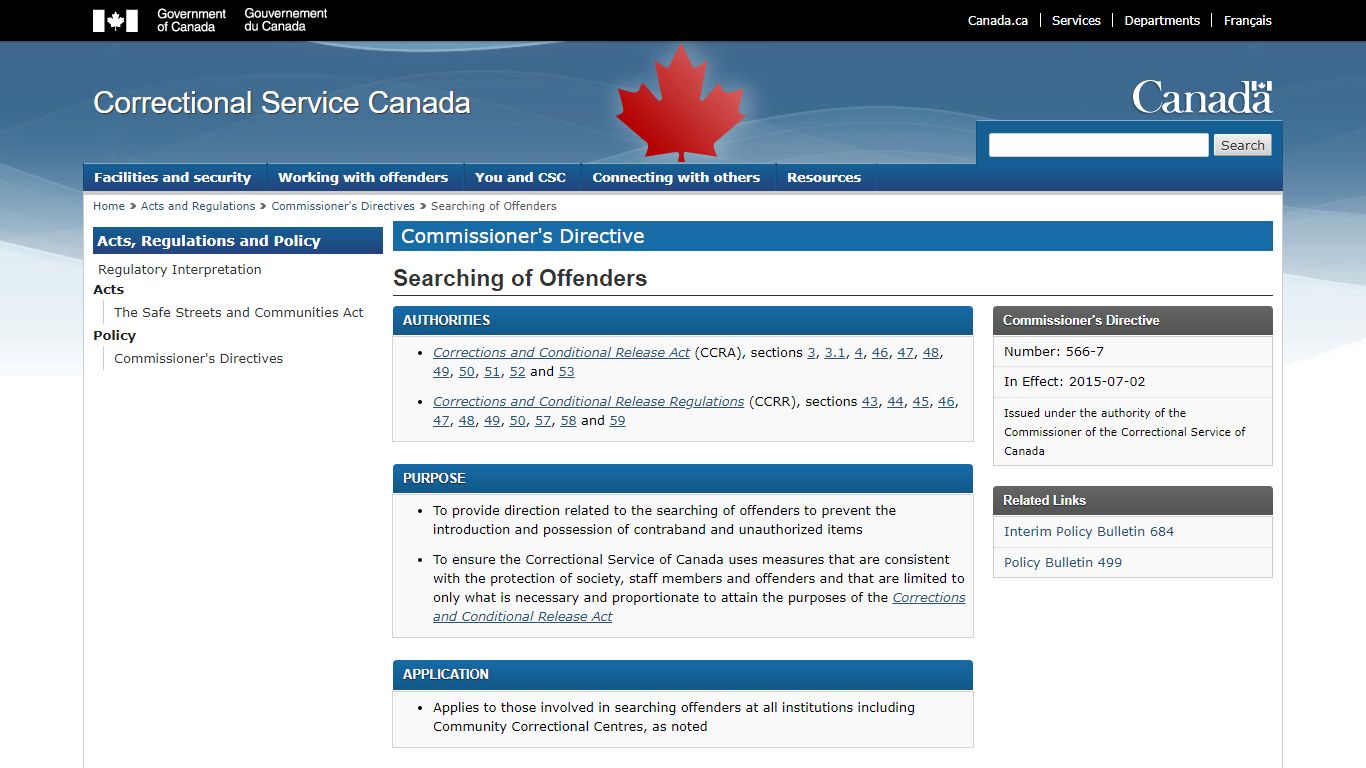
Canada Prison Inmate Search operates under strict rules outlined in Policy 566-7. These procedures protect both staff and inmates during physical searches. Frisk searches require reasonable suspicion and must be logged electronically with time, date, and justification. Strip searches need approval from a senior superintendent, must occur in private, and require a second officer present. Body-cavity searches are rare, limited to cases with judicial authorization and Minister of Public Safety approval. High-security wings use X-ray and dry-cell scanners, with images stored for at least five years. All seized items are tagged with the offender’s ID, item type, and seizure date. These measures ensure accountability while maintaining institutional security.
Communication Options for Families and Legal Representatives
Maintaining contact is a key part of Canada Prison Inmate Search for families. Federal inmates can receive inbound calls through encrypted lines managed by the Provincial Communications Service. Each inmate has an “Allowed Call List” based on risk assessment, including family, lawyers, and service providers. Calls last up to 30 minutes per day, split into four sessions. In 2023, British Columbia recorded 1.8 million inbound calls, a 12% increase from 2022. Visits require scheduling via the CSC Visit Scheduler. During health emergencies, rules may change—such as mask requirements or capacity limits. Written correspondence remains reliable; mail reaches any facility within three to five business days through the national correctional network.
Indigenous Cultural Rights and Special Search Protocols
Canada Prison Inmate Search respects Indigenous cultural practices through special protocols. Items like smudging kits or ceremonial drums follow a consent-based process documented by the Indigenous Advisory Council. Officers cannot confiscate these without verifying cultural affiliation and obtaining proper consent. This policy supports reconciliation efforts and ensures spiritual needs are met. Programs like “Healing Circles” serve around 1,400 Indigenous offenders annually. These initiatives reduce isolation and promote rehabilitation. When searching Indigenous inmates, staff receive training on cultural sensitivity to avoid unnecessary conflict or trauma.
Recent Reforms and Recidivism Reduction Programs
Canada Prison Inmate Search reflects broader reforms aimed at reducing reoffending. The 2024 budget increased funding by 7% for mental-health services and electronic monitoring. The “Pathways to Permanent Employment” program helped first-time offenders cut recidivism by 25% in 2023. Vocational training, cognitive-behavioral therapy, and post-release support are now standard. Monthly news releases highlight success stories and policy updates. These changes show how inmate management evolves beyond confinement to focus on reintegration. Families searching for loved ones can feel confident that rehabilitation remains a top priority.
How to Verify Inmate Status When Online Tools Fail
Sometimes Canada Prison Inmate Search tools return no results. This doesn’t always mean the person isn’t incarcerated. They might be in a remand centre, immigration detention, or recently transferred. In these cases, send a written request with full name, date of birth, and offender number if known. Use the standard prison address format—for example, “Central Detention Facility, PO Box 537, Calgary, AB T2P 2M4”. The Records Unit checks intake logs and forwards inquiries if needed. This method located 4,212 individuals in 2023. It also allows requests for Visitation Authorization Forms, required before any face-to-face meeting.
Immigration Detainees and Federal Holding Facilities
Not all people in custody are criminal offenders. Some are held under the Immigration and Refugee Protection Act. Ontario’s inmate locator includes “Immigrant Detainees” with details on removal proceedings and asylum applications. These individuals don’t have criminal sentences but may be detained pending deportation or refugee hearings. Their information appears separately from provincial inmates. If someone disappears after border contact, check both criminal and immigration databases. This dual approach ensures no one falls through the cracks during Canada Prison Inmate Search.
Daily Life and Services Inside Canadian Correctional Facilities
Understanding what happens after locating an inmate helps families support their loved ones. Provincial guides outline routines: three meals daily at 7:30 AM, noon, and 6 PM. Work programs like the “Community Service Initiative” place eligible inmates in local projects. Education includes college courses via the Ontario Corrections Education Network. Health services feature on-site nurses, rotating doctors, and 24-hour mental-health hotlines. Grievance procedures and legal libraries are available. Parole applications begin after serving one-third of the sentence. These services aim to prepare inmates for successful reintegration.
Technology and Transparency in Modern Inmate Management
Canada Prison Inmate Search benefits from digital upgrades. Electronic logs track every search, call, and visit. X-ray scanners detect contraband without invasive procedures. Databases refresh weekly, ensuring near-real-time accuracy. Public dashboards show statistics like total inmate counts—20,145 nationwide at the end of 2023—and average sentence lengths (4.7 years). Researchers access downloadable datasets for longitudinal studies. These tools increase transparency while protecting privacy. Families gain faster, more reliable information without compromising security.
Common Mistakes to Avoid During Inmate Searches
Many people struggle with Canada Prison Inmate Search due to simple errors. Using nicknames instead of legal names causes misses. Searching the wrong jurisdiction—federal vs. provincial—leads to dead ends. Assuming all data is online ignores mailed-request options. Not checking immigration detention overlooks a key group. Always use full legal names, confirm sentence length to determine jurisdiction, and try multiple methods if needed. Patience and persistence pay off. Most searches succeed within a week when done correctly.
Legal Rights and Access to Information
Canadian law balances public access with privacy. The Privacy Act restricts disclosure of personal health or disciplinary records. However, basic location and sentence info is public. Legal representatives can request additional details with client consent. Families may obtain visitation forms and call lists. Researchers need government credentials for historical data via the National Justice Information System. These rules protect individuals while allowing necessary transparency. Always cite official sources when sharing findings.
Emergency Situations and Death Investigations
In rare cases, Canada Prison Inmate Search reveals tragic outcomes. When Seamus Flynn died at Her Majesty’s Penitentiary in August 2024, officials launched a review by the Office of the Correctional Investigator. Families demanded independent autopsies and public inquiries. Such events highlight the need for accountability. Medical response protocols are now under scrutiny. If an inmate dies, next of kin receive official notification. Ongoing investigations may delay full disclosure, but transparency remains a goal.
Resources for Exonerees and Wrongful Conviction Cases
Some individuals cleared of charges still appear in old records. Organizations like the Canadian Innocence Project maintain lists of exonerated persons. These help families verify releases and correct misinformation. If someone was wrongfully convicted and released, their status should update in federal and provincial systems. However, delays happen. Contacting advocacy groups speeds up corrections. This ensures Canada Prison Inmate Search reflects true legal standing.
Future of Inmate Search Systems in Canada
Plans are underway to unify federal and provincial databases. A national portal could simplify searches across all jurisdictions. Enhanced encryption will protect data while improving speed. Mobile apps may allow real-time updates for approved contacts. AI could flag inconsistencies or outdated entries. These innovations aim to make Canada Prison Inmate Search faster, safer, and more accurate. Until then, using multiple tools and verifying results remains best practice.
Contact Information and Official Channels
For federal inquiries, contact the Correctional Service of Canada at www.canada.ca/en/correctional-service or call 1-800-361-7742. Provincial contacts vary: Ontario uses the Ministry of the Solicitor General’s inmate search page, while British Columbia directs requests to local facility administrators. Visiting hours typically run from 9 AM to 4 PM on weekdays, with weekend slots available by appointment. Always confirm schedules before traveling. Official websites provide the most reliable updates.
FAQ Section
Canada Prison Inmate Search involves many questions about process, privacy, and practical steps. Below are answers to the most common concerns based on current policies and real-world use cases.
How do I find out if someone is in a Canadian prison?
Start with the Correctional Service of Canada’s online offender search if the sentence is two years or more. Enter the full legal name or offender number. For shorter sentences, check the relevant provincial database—like Ontario’s inmate locator—or send a mailed request with name and date of birth. If unsure of jurisdiction, try the BG Inmate Locator, which covers multiple regions. Always verify results directly with the facility, as third-party sites may lag behind official records. Include proof of relationship if requesting sensitive details.
Can I visit an inmate without being on their call list?
No. All visitors must be pre-approved and listed on the inmate’s “Allowed Call List” or visitation roster. To add someone, the inmate submits a written request to the facility administrator, who reviews it within seven business days. Legal counsel and immediate family are usually prioritized. During visits, bring valid ID and follow dress codes—no electronics or contraband. Scheduling happens online via the CSC Visit Scheduler. Capacity limits may apply, especially during health alerts.
What information is publicly available about inmates?
Basic details like name, institution, sentence length, and projected release date are public for federal inmates. Provincial systems vary—some show only current status, others include classification level. Personal health, disciplinary history, and internal reports are protected under privacy laws. Researchers with government credentials can access historical data through the National Justice Information System. Families receive visitation forms and call logs upon request. Never share sensitive info online; always use official channels.
How long does it take to locate an inmate by mail?
Mailed requests typically yield responses within three to five business days. The correctional mail network routes letters between provinces automatically. Include the inmate’s full name, date of birth, and any known ID number. Address letters using the standard format: “Facility Name, PO Box [Number], City, Province, Postal Code.” If the inmate moved, the system forwards the inquiry. This method succeeded in locating 4,212 people in 2023, proving its reliability despite digital alternatives.
Are immigration detainees included in inmate search tools?
Yes, in some provinces. Ontario’s inmate locator lists “Immigrant Detainees” held under immigration law, showing anticipated removal dates and asylum status. Federal systems do not mix these with criminal offenders. If someone disappears after border contact, check both criminal and immigration databases. Contact the Canada Border Services Agency for additional help. Always confirm detention status directly, as policies change frequently.
What should I do if an inmate search returns no results?
First, double-check the spelling of the name and confirm the sentence length to determine jurisdiction. Try alternative names or aliases. If still unsuccessful, send a mailed request to likely facilities. Consider immigration detention or remand centres, which may not appear in standard searches. Contact legal aid or advocacy groups for assistance. Persistence often resolves the issue—most missing records are found within a week using multiple methods.
How are Indigenous cultural items handled during searches?
Smudging kits, drums, and other sacred items follow a special consent protocol. Officers document cultural affiliation and consult the Indigenous Advisory Council before handling. These items are not confiscated unless absolutely necessary for safety. Training ensures respectful treatment during frisk or strip searches. Programs like “Healing Circles” support spiritual well-being. This approach honors treaty rights and promotes rehabilitation within correctional settings.